The Ultimate Guide to the Kids Doctor Kit Toy Set – Educational Pretend Play
In a world where screens and gadgets compete for a child’s attention, toys that spark imagination, learning, and emotional development are more valuable than ever. One such toy that continues to stand the test of time is the Kids Doctor Kit Toy Set – Educational Pretend Play. This classic yet continually evolving playset does more than entertain— it teaches, inspires, and supports essential developmental skills in young children.
In this comprehensive guide, we’ll explore what makes the Kids Doctor Kit Toy Set so special, the developmental benefits it offers, how to choose the right set, fun ways to play with it, and tips for parents and educators to maximize its value. By the end, you’ll understand why this simple toy has become a staple in homes, classrooms, and therapy clinics around the world.
1. What Is the Kids Doctor Kit Toy Set – Educational Pretend Play?
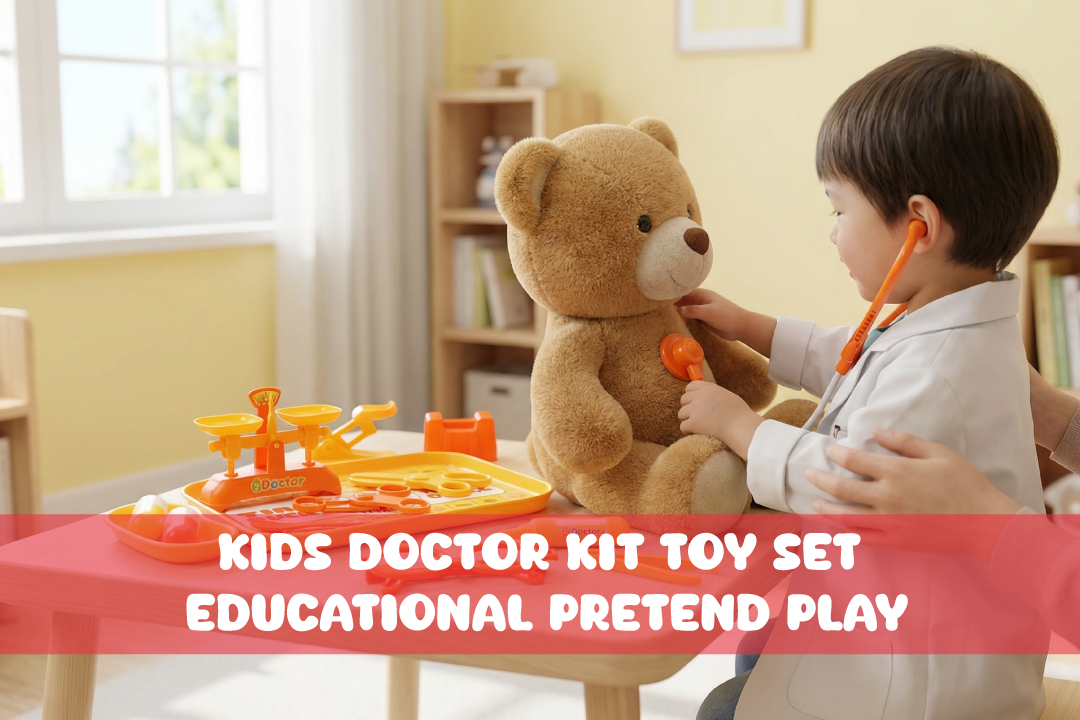
At its core, the Kids Doctor Kit Toy Set – Educational Pretend Play is a collection of toy medical tools designed for children. These kits typically include:
-
Toy stethoscope
-
Toy syringe
-
Bandages
-
Thermometer
-
Otoscope
-
Reflex hammer
-
Medical clipboard or ID cards
-
Plastic medicine bottles
What sets this toy apart is not just the bundle of accessories, but the intentional focus on learning through play. The “Educational Pretend Play” aspect is key — it encourages children to explore roles, practice empathy, and build vocabulary and comprehension related to health, the body, and caring professions.
The appeal of this toy is universal. Whether a child dreams of being a doctor, nurse, or scientist, or simply enjoys imaginative play, this set becomes a tool for expression and discovery.
2. Why Pretend Play Matters
Pretend play is far more than just “fun and games.” Developmental psychologists and educators recognize it as a critical foundation for learning.
Cognitive Benefits
When children engage in pretend play such as acting out doctor visits with the Kids Doctor Kit Toy Set – Educational Pretend Play, they are:
-
Learning cause and effect (e.g., “If I listen to my patient’s heart, I might hear a beat.”)
-
Practicing problem solving
-
Building memory and sequencing skills (placing tools in order, remembering steps)
Language and Communication Skills
This toy encourages children to use new vocabulary like “pulse,” “temperature,” “diagnosis,” and “symptom,” often in realistic contexts.
Social and Emotional Development
Pretend play allows children to explore roles and emotions. When playing doctor, a child:
-
Acts with empathy toward “patients”
-
Practices leadership and decision-making
-
Learns to follow and give instructions
Confidence and Comfort
Visits to the doctor can be intimidating. By playing with the Kids Doctor Kit Toy Set – Educational Pretend Play, children become familiar with medical tools and routines, reducing anxiety in real-life situations.
3. Choosing the Right Kids Doctor Kit Toy Set
With so many options on the market, choosing the perfect set can feel overwhelming. Here are a few tips to help:
Age Appropriateness
Most sets are suitable for ages 3 and up, but always check the manufacturer’s guidance for small parts or choking hazards.
Durability
Look for sturdy plastics and well-made tools that can withstand repeated play.
Safety and Non-Toxic Materials
Ensure all pieces are free from harmful chemicals, especially since younger children tend to put toys in their mouths.
Realism vs. Playfulness
Some sets lean more toward realistic replicas of hospital tools, while others are colorful and whimsical. Think about your child’s personality and interests.
Sterilizable or Easy to Clean
Since many pretend sets involve shared play, ease of cleaning is important.
4. Developmental Benefits in Detail
Let’s dive deeper into how the Kids Doctor Kit Toy Set – Educational Pretend Play supports specific developmental domains.
a. Language Acquisition
Children expand vocabulary naturally as they learn names of instruments and procedures. For example:
-
“This thermometer says 98.6°.”
-
“The reflex hammer goes tap-tap here.”
This kind of language immersion is critical for school readiness.
b. Motor Skills
Picking up small tools, placing bandages, or fastening toy straps help refine:
-
Fine motor coordination
-
Hand-eye coordination
This is especially helpful for preschoolers as they prepare for writing and drawing tasks.
c. Empathy and Emotional Expression
When children play roles — comforting a “sick friend” or explaining a diagnosis — they practice recognizing and expressing feelings. This emotional literacy is a cornerstone of healthy social development.
d. Imagination and Creativity
Pretend play opens doors to limitless scenarios: hospital scenes, space station infirmaries, jungle explorer clinics — all using the same set of tools.
5. Fun Play Scenarios
Here are creative pretend play ideas to keep playtime engaging:
Doctor’s Office
Set up a desk, patient chairs, and a waiting room. Children take turns as patients and doctors, filling out charts and taking vitals.
Hospital Emergency Room
Increase excitement with “urgent” cases — a teddy bear with a hurt paw, a doll with a pretend fever.
Vet Clinic
Use the same kit to care for stuffed animals and pets — learning that all creatures deserve compassion.
Health Fair
Children make posters about nutrition, hygiene, and exercise. They can “interview” each other using tools from the kit.
Space Doctor
Pretend the patient is an astronaut who needs a check-up before a cosmic mission.
These scenarios strengthen imagination and create opportunities for cooperative play with siblings and friends.
6. Tips for Parents & Educators
To get the most out of the Kids Doctor Kit Toy Set – Educational Pretend Play, adults can:
Model Play
Join in! Ask questions like:
-
“What do you see on the chart?”
-
“Does the patient need medicine?”
Introduce Real Concepts
Talk about hygiene, staying healthy, and how the body works. Keep explanations age-appropriate.
Rotate Props
Add everyday items like scarves, towels, or real clipboards to refresh play themes.
Read Books About Doctors
Pair the kit with storybooks to build context and literacy.
Encourage Storytelling
Ask the child to tell you a story about their patient or clinic.
These strategies deepen learning and make playtime richer.
7.The Long-Term Value of Pretend Play
While some toys offer temporary diversion, the Kids Doctor Kit Toy Set – Educational Pretend Play delivers lasting developmental benefits. It helps children:
-
Communicate more effectively
-
Understand empathy and compassion
-
Build confidence in real-world environments
-
Develop social and cognitive skills foundational to later success
In a time when digital entertainment is ubiquitous, a tactile, imaginative toy like this sets children up for meaningful growth.
The Kids Doctor Kit Toy Set – Educational Pretend Play is more than a toy — it’s a tool for development, discovery, and joy. From enhancing language skills to fostering empathy and imagination, this classic playset provides endless opportunities for children to learn and grow.
Whether you’re a parent, educator, or caregiver, incorporating this toy into playtime can nurture a child’s curiosity about the world, boost confidence, and build foundational skills that last a lifetime.